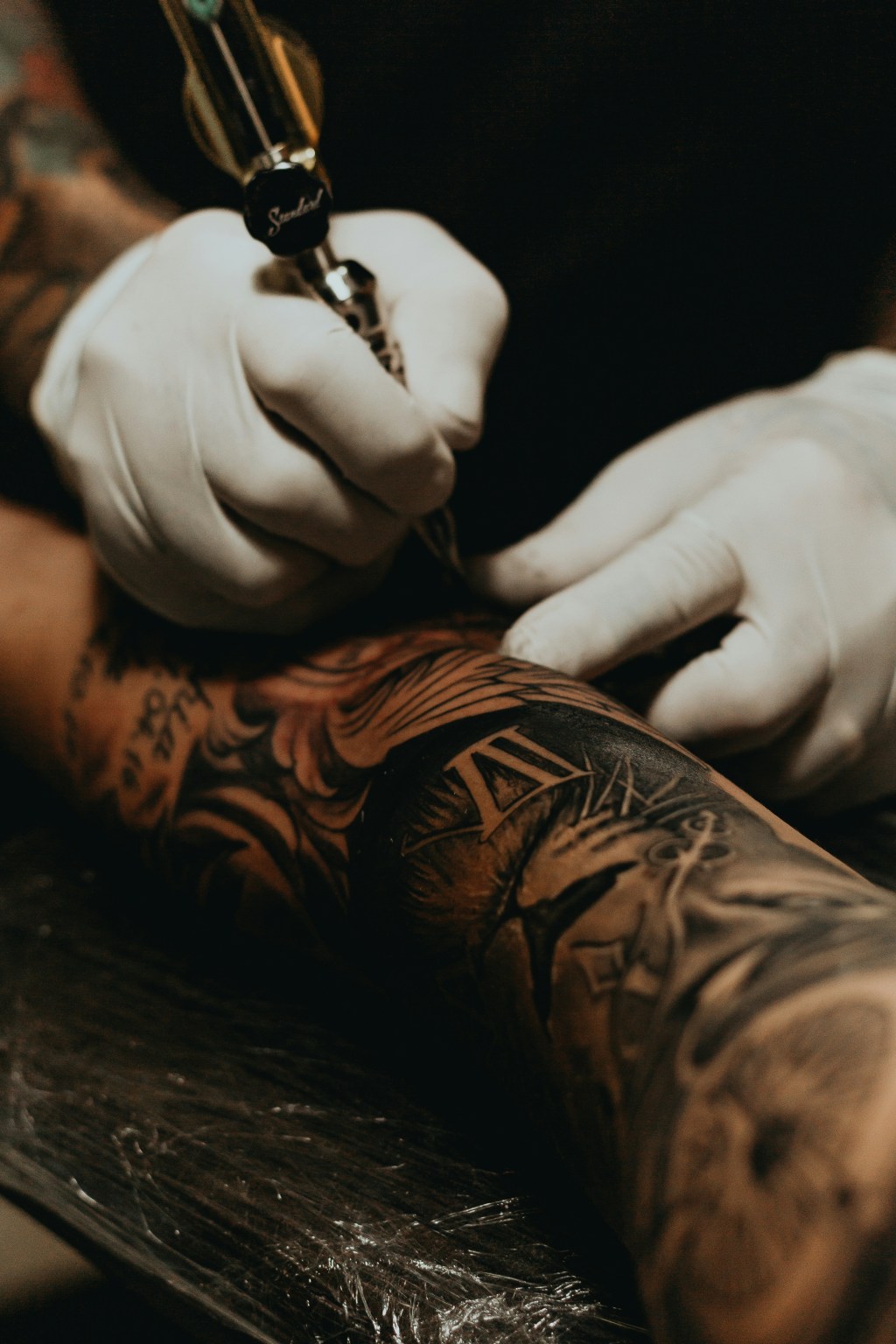
From ancient tribal markings to modern body art.
The earliest evidence dates back thousands of years, to when tattoos became the most famous. Ötzi the Iceman, a 5300-year-old mummy discovered in the Alps, is the oldest known case; according to the evidence, he had 61 tattoos on his body. These were probably therapeutic or symbolically significant.
Cultural Practices: Ancient Egyptians, Polynesians, and Indigenous peoples practiced tattoos for various reasons, including religious ceremonies and social status, as well as for protection from evil spirits.
Medieval and Early Modern Periods
Stigma in Some Cultures: In medieval China, for example, tattoos were associated with criminals, and in Japan, they symbolized punishment before further evolution to forms of commercial art.
Sailors and Explorers: Sailors traveled during the Age of Exploration, concluding this tattooing of souvenir marks from their adventures and dispersed the practice throughout the world.
Modern Tattooing
Invention of the Tattoo Machine: The establishment of an electric tattoo machine,” according to Samuel O’Reilly, revolutionized the art in 1891.
Samuel O’Reilly was the first American tattooist ever to invent an electric tattoo machine, which he patented on December 8, 1891. Inspired by Thomas Edison’s autographic printing pen, O’Reilly modified the device to create a machine that would puncture the skin quickly and deposit the ink. This transformation made tattooing faster, more precise, and less labor-intensive than hand tapping.
Samuel O’Reilly is an Irish American with a diverse cultural heritage. In Waterbury, Connecticut, in May 1854, O’Reilly was born to Irish immigrants Thomas O’Reilly and Mary Ann Hurley. His identity was culturally affected because of his Irish parentage, and, therefore, the common perception of O’Reilly seems to celebrate him as an Irish-American inventor who revolutionized tattooing with his electric tattoo machine.
Cultural acceptance: Such transition therefore made tattoos pass from the status of subcultures to becoming acceptable in mainstream culture towards the end of the 20th century, whereby they become the form of personal expression or art.
Critch & TC
Photo by Allef Vinicius on Unsplash
Sources:
The Worldwide History of Tattoos | Smithsonian
Evolution of Tattoo Styles Throughout History: Complete Timeline
History of Tattoos: A Complete Timeline – AuthorityTattoo
The Irish American clock maker who invented the tattoo machine

 Universal Chronicle
Leave a comment