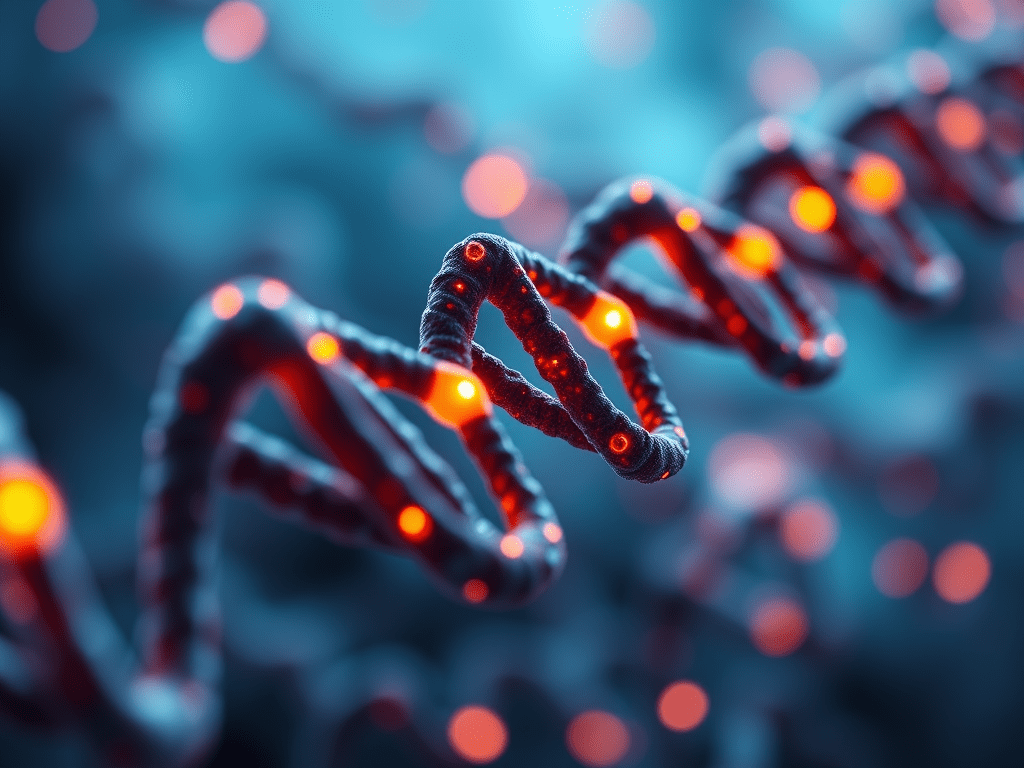
Telomeres are often referred to as the “caps” at the ends of chromosomes. They play a crucial role in protecting our DNA from damage and ensuring the stability of our genetic information.
So What Are Telomeres?
Telomeres are repetitive sequences of DNA located at the ends of chromosomes. They act as protective buffers, preventing the loss of essential genetic information during cell division. Each time a cell divides, telomeres shorten, which eventually leads to cellular aging and senescence.
Their Impact On Lifespan:
As telomeres shorten with each cell division, they reach a critical length where they can no longer protect chromosomes effectively. This triggers cellular senescence, where cells stop dividing and may enter a state of permanent growth arrest. Shortened telomeres are associated with various age-related diseases, such as cardiovascular disease, osteoarthritis, and certain types of cancer.
Research suggests that longer telomeres are generally associated with a longer lifespan and better health. Studies in animals have shown that species with longer telomeres tend to live longer. However, it’s important to note that longer telomeres can also increase the risk of cancer, as cancer cells often have high levels of telomerase, an enzyme that maintains telomere length.
Telomerase and Aging:
Telomerase is an enzyme that adds repetitive nucleotide sequences to the ends of telomeres, helping to maintain their length and protect chromosomes. While telomerase activity is typically low in most adult cells, it is highly active in stem cells and cancer cells. Enhancing telomerase activity in normal cells could potentially slow down aging, but it also poses a risk of promoting cancerous growth.
Summary:
Telomeres play a vital role in maintaining genomic stability and protecting our DNA from damage. Their shortening over time is a key factor in cellular aging and the development of age-related diseases. While longer telomeres are generally associated with better health and longevity, they also come with potential risks, such as an increased likelihood of cancer.
We will look at this potential risk in a further article in due course but for now, If you like learning and you’d like to know more about telomeres and their impact on aging, you should check out articles from sources like Medical News Today and Live Science.
Critch & TC
Sources

 Universal Chronicle
Leave a comment